Move
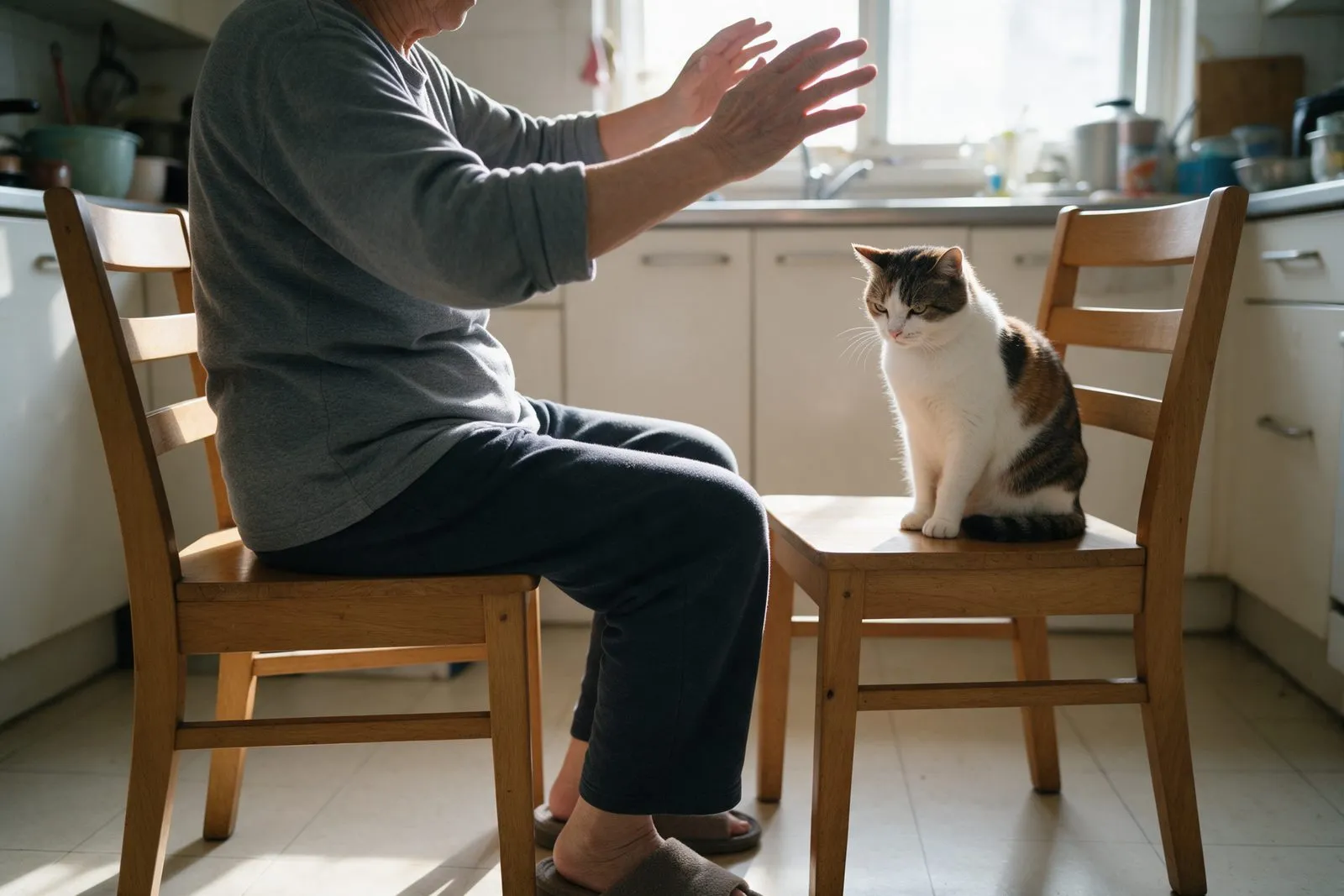
Chair Tai Chi Isn't a Workout. Here's Who It's For, and What a 26-Week Trial Found
Chair tai chi hasn’t been shown to prevent falls, and it isn’t a workout. Here’s what one 26-week trial did find, and who it’s genuinely for.

Outsmart the effort
For people who don’t work out — and don’t plan to start. You’ve tried the big plan before. It lasted four days, and the guilt lasted rather longer. So we do the opposite: find the smallest thing that still works, and cheerfully ignore the rest.

He climbed one extra stair, then sat down. Both halves of that count.
“Is there a shorter way?” is the laziest question in the room, and usually the smartest. We ask it first, every time.
Not the gym. Not a six-week plan. The one step after the one you already take. Yes, it is suspiciously small. That’s why it survives Tuesday.
We read the studies so you can carry on not reading them. Plain facts, no lectures, no miracle claims.
Leave your first name and email, and you’ll hear the day a new book comes out. Want your name printed inside it? Tick the box. Both are free, and nothing else ever lands in your inbox.
Chair tai chi hasn’t been shown to prevent falls, and it isn’t a workout. Here’s what one 26-week trial did find, and who it’s genuinely for.
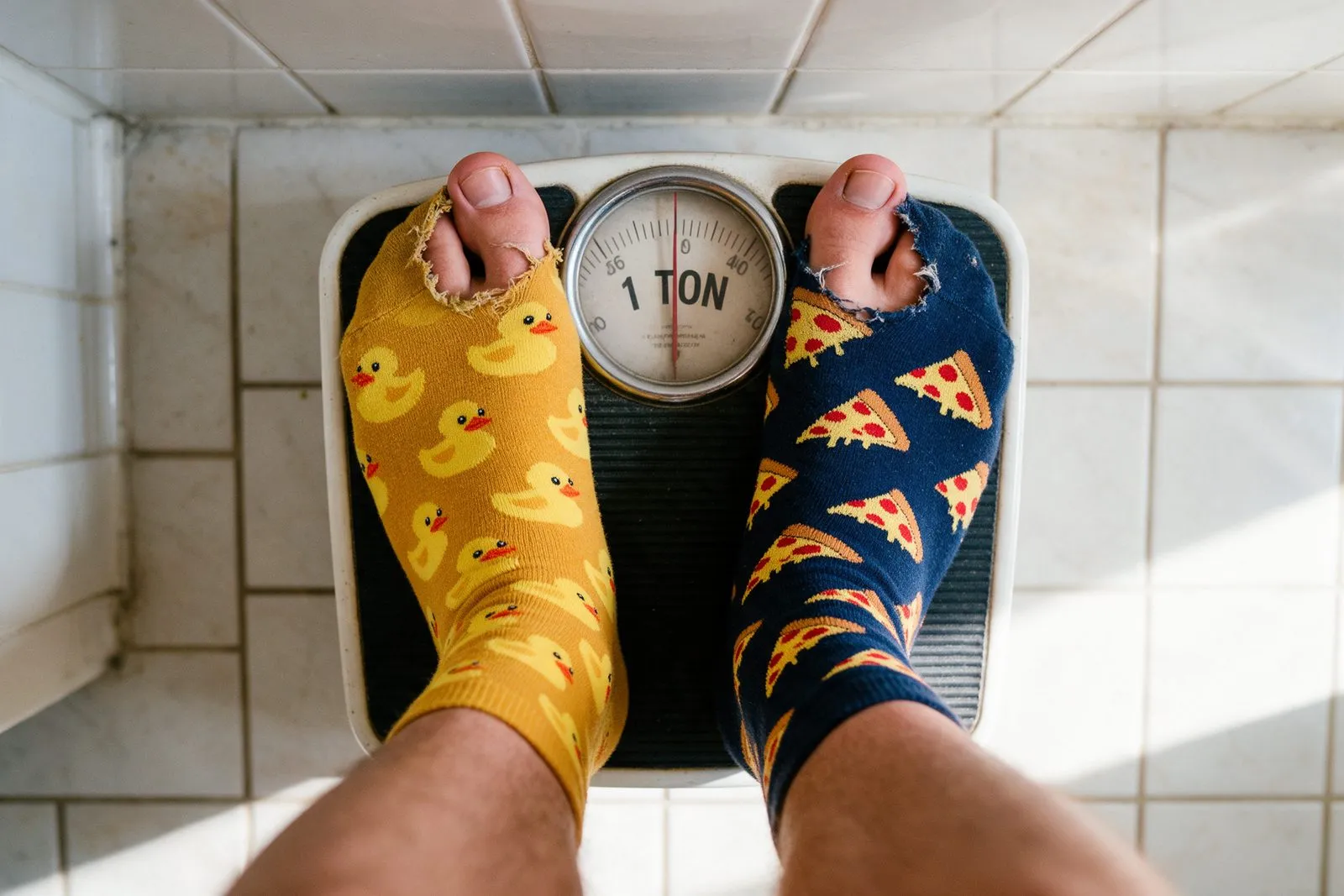
Up two pounds overnight? Almost none of it is fat. Weigh once a week, write it on one card, and never decide anything on the bathroom floor.

Most diet advice says skip the fries. That’s the wrong rule. Two swaps keep the burger, shrink the meal, and take the decision back from the menu board.
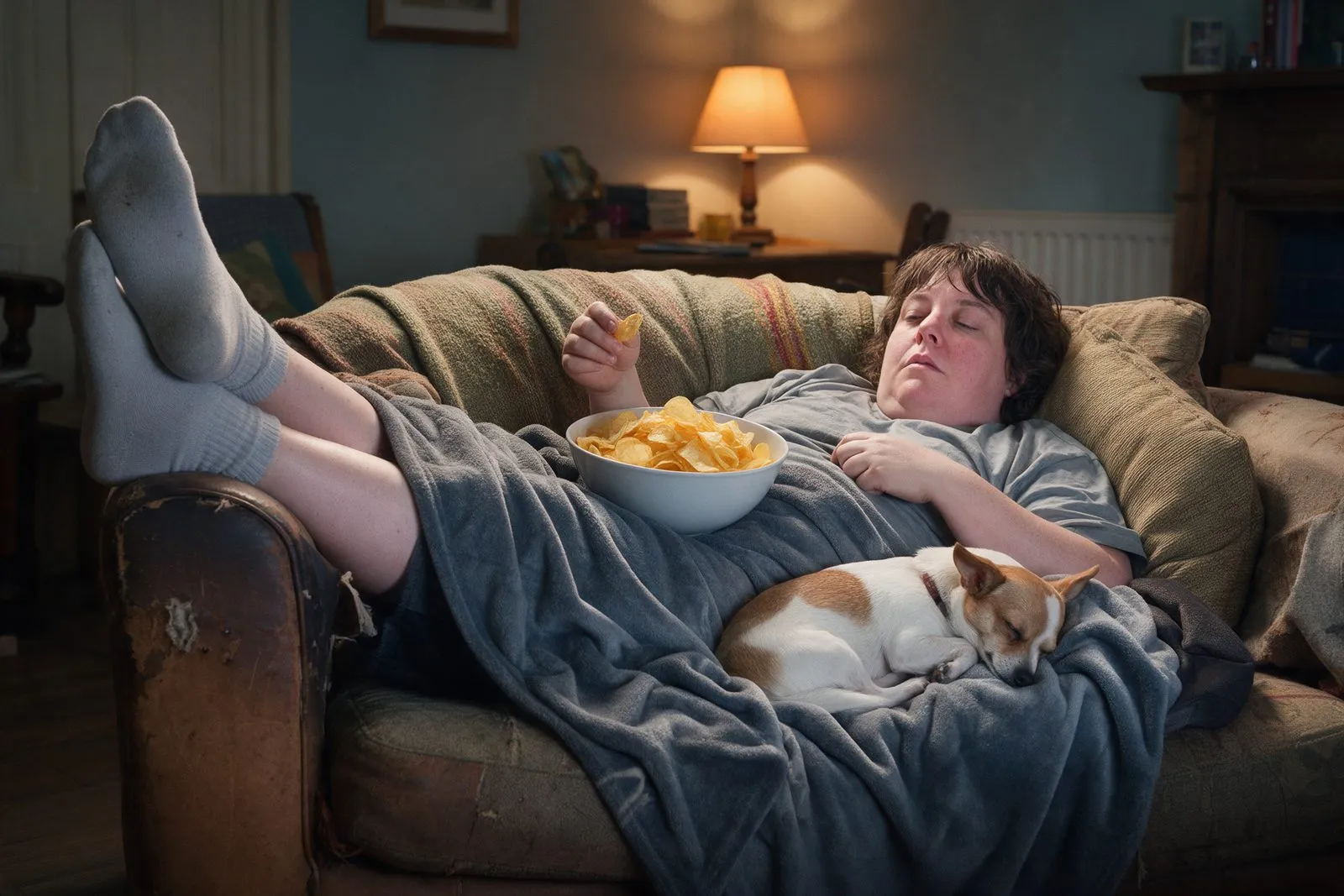
Laziness is energy conservation, not a character flaw. Four ways to make a habit too cheap for your brain to refuse — and why you should stop early.
Eight places to begin. You only need one, and the smallest one is a perfectly good answer.
Food that fits a normal day. No forbidden list, no weighing the lettuce.
Walking, stairs, getting off the floor. Movement that doesn’t need a kit bag.
Stronger legs, back and grip. It starts in a chair, which we think is fair.
Sleep, stress and the small decisions you make before you’ve woken up properly.
Habits that survive a partner, kids, parents and one shared fridge.
Walks, meals and small dares. Everything is easier when someone else is also doing it.
What quietly changes after 40, 50 and 60 — and the small answers to it.
Myths, headlines and marketing, read carefully so you don’t have to.