You're Not Lazy: 4 Ways to Make a Habit Too Cheap for Your Brain to Refuse

Why the brain avoids effort, and how to turn that into an advantage.
You meant to start. You had the plan, maybe the app, maybe the shoes, and then the evening happened and the couch won again. That isn’t a flaw in your character. Laziness is energy conservation, your brain doing exactly what it was built to do, and you can put that instinct to work for you instead of against you. Below: what your brain is actually doing, four ways to get past it, and why I’d stop early, even on a good day.
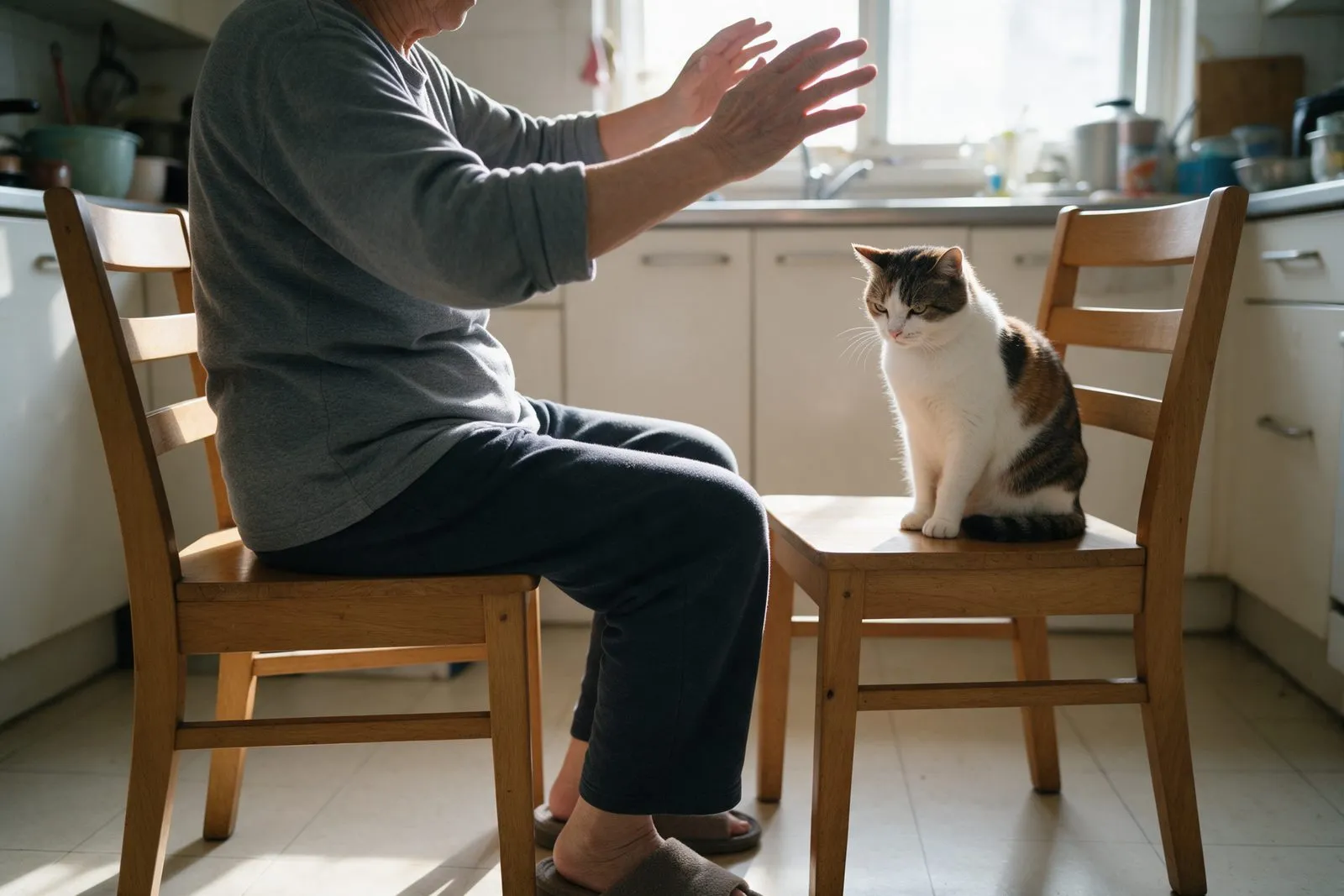
The couch has a spot on it that is unmistakably yours. You didn’t earn that spot by accident. It took hundreds of evenings of quiet, consistent work, and the result is genuinely comfortable.
Laziness is your brain keeping the books. It looks at every task, asks what it costs, and votes against the expensive ones. You can argue with that accountant, or you can hand it a cheaper version of the thing you want to do. The second approach is the one worth trying.
What the accountant is actually doing
Your brain leans toward whichever option costs the least effort, by default. That’s standard equipment, and it says nothing about your character.
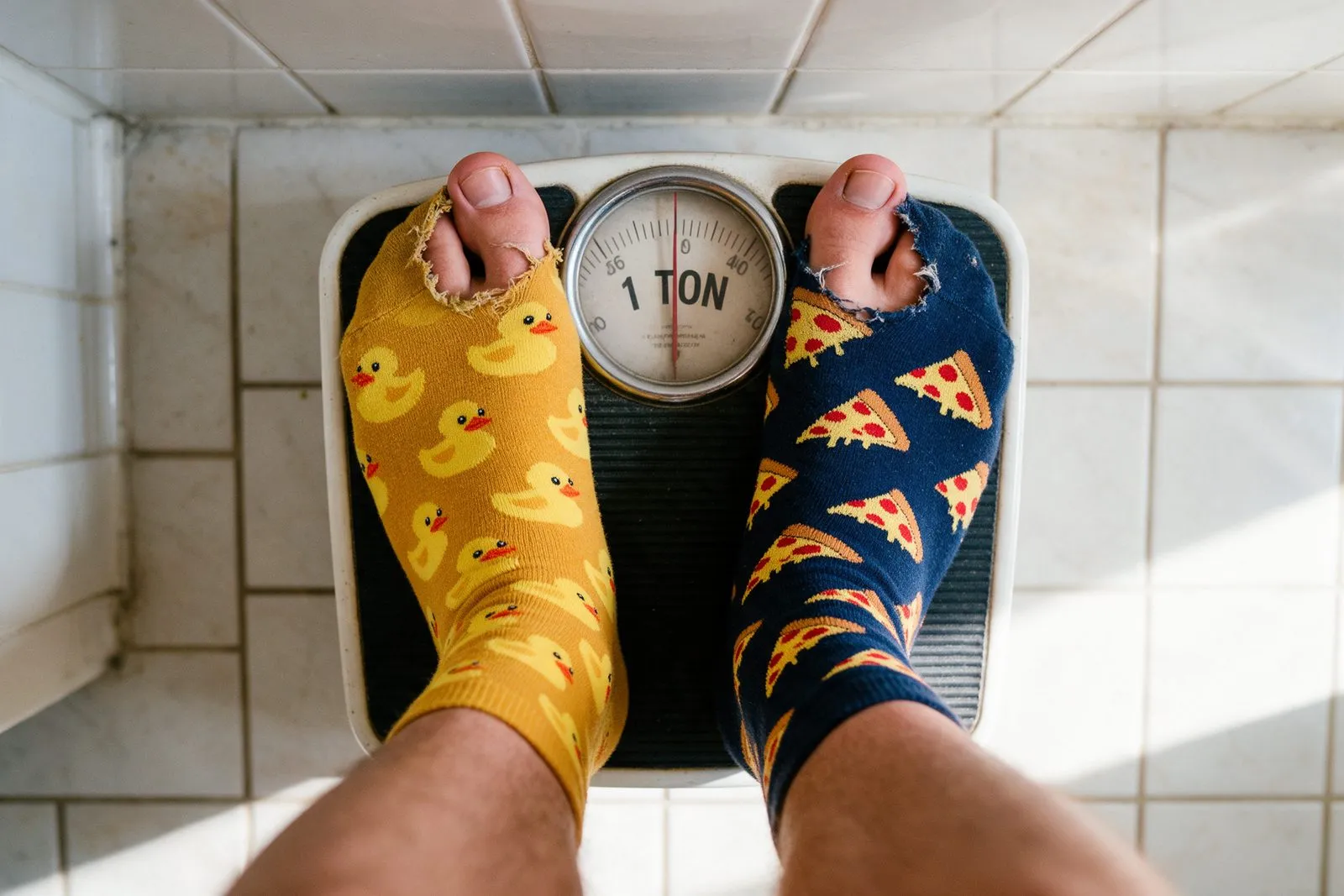
Think about how you carry groceries. Most of us would rather lose the feeling in four fingers than make two trips when eleven bags can hang off two forearms. Fingers going purple, a gallon of milk clamped under the chin, door nudged open with a knee. That is the most efficient person alive, and the instinct behind it is the same one that keeps people off the treadmill.
The instinct is doing its job, on the wrong targets. It saves effort on the things you care about because they’re expensive to start, and it never tires of the cheap, easy things. Your phone has never needed a pep talk.
The fix is not to fight the instinct harder. It’s to make the thing you want cost almost nothing, so the accountant signs off.
Four ideas that make a habit cheap
One thing at a time. Just one habit, and not a morning routine with a smoothie and a gratitude list. Every extra item is another bill the accountant gets to reject.
Shrink it until it’s a little insulting. Reading becomes one page. Flossing becomes one tooth. Tidying becomes one shelf. If the small version feels too small to count, it’s probably the right size, because the accountant has nothing left to object to.
Tie it to something that already happens. “After I pour my coffee” works. “Sometime in the morning” doesn’t, because “sometime” isn’t on any calendar. Deciding in advance exactly when and where you’ll do a thing makes people noticeably more likely to do it.
Put the object in the way. The book on the pillow, the floss next to the toothbrush, the shoes by the bed. An object in plain sight does the reminding so you don’t have to. It will be the only thing in the house that does its job on the first alarm.
Stop early, on purpose
The part people skip is stopping while it’s still easy, even on a day when they feel like going on.
Finishing strong has a hidden cost. A one-page reading habit that turns into forty pages because the book got good is a lovely Tuesday, and it quietly raises the price of Wednesday. Your accountant remembers what the habit cost last time, and tomorrow it may quote you forty pages. Stopping early keeps the price low, and a cheap thing is easier to do again tomorrow.
On a good day, there’s a better place for the extra energy: add a second small session later in the day, and leave the first one exactly as it was. You’re stacking cheap sessions, not raising the price of the first.
Why the small version wins
Starting is the expensive part. Getting going is the hard bit, and the rest is mostly downhill from there. It’s like getting into a cold pool: nearly all the difficulty is in the first step down, and once you’re in, the rest takes care of itself.
Compare this with the 4 a.m. influencer, who films themselves pouring cold water over their head while whispering about discipline. That routine costs so much effort that every morning requires a small act of heroism, and heroism tends to run out by Thursday. Efficient effort needs a small version and a fixed moment.
Your room votes too
Your surroundings shape more of what you do than you’d think. Consider the fridge light late at night. You didn’t weigh your options. The light was on, the door was open, and the cheese was right there. You never planned to eat cheese at that hour. The setup made the plan.
You can use this on purpose. Set up the room so the good option is the one that happens to be in front of you. The book on the pillow is the fridge light for reading.
When the first week goes badly
Say the first week goes badly. You did the small version Monday and Tuesday, skipped Wednesday because the day ran away from you, and skipped Thursday because you’d skipped Wednesday.
Most people in this situation do the same thing next: they decide to make up for it with a big effort on Friday. That’s the expensive plan sneaking back in through the side door, and it usually ends with a tired Saturday and no Sunday.
Do the opposite. Make it smaller still. A habit takes about two months to settle in the best-known research, and one missed day changes nothing. A missed day is not a verdict. It’s a Wednesday.
Won’t I just do nothing forever?
The worry is fair: if you always pick the easiest version, maybe that’s all you’ll ever do.
The small version is a starting point, and more is better than less once you’re ready for it. The way to get more is the stacking rule above: a second cheap session, then maybe a third, each one small enough that the accountant never objects. Stopping early is the only boss you’ll ever have who lets you leave before the end of the shift, and I’d bet on it over the big plan any week.
The big plan has already been tried, and it lasts exactly as long as the willpower does. After that you are back on the couch, with your spot and a little guilt, which is a worse deal than the spot alone.
Today
Write down one habit you keep meaning to start. Next to it, write the smallest version of it you can think of, small enough to feel a little insulting, and the moment it will follow. That’s all for today. The accountant will read it and find nothing to object to.
Put your name in the next book.
Leave your first name and email and you’ll hear the day a new Second Stair book comes out. Tick one box and your name goes inside it too. Nothing in between — we have no intention of pestering you.